
## TL;DR
As the pet industry market continues to grow, pet healthcare-related spending is also increasing. Cases of senior dogs and cats, pets with cardiopulmonary problems, and pets in critical condition after surgery are gradually increasing. Animal oxygen therapy is an important life support tool in veterinary clinical practice. LONGFIAN Medical's Respvet series of animal oxygen concentrators are suitable for various use cases in small and medium-sized pet clinics and chain animal hospitals. For some seriously ill pets, home oxygen therapy can be implemented under the guidance of a licensed veterinarian.
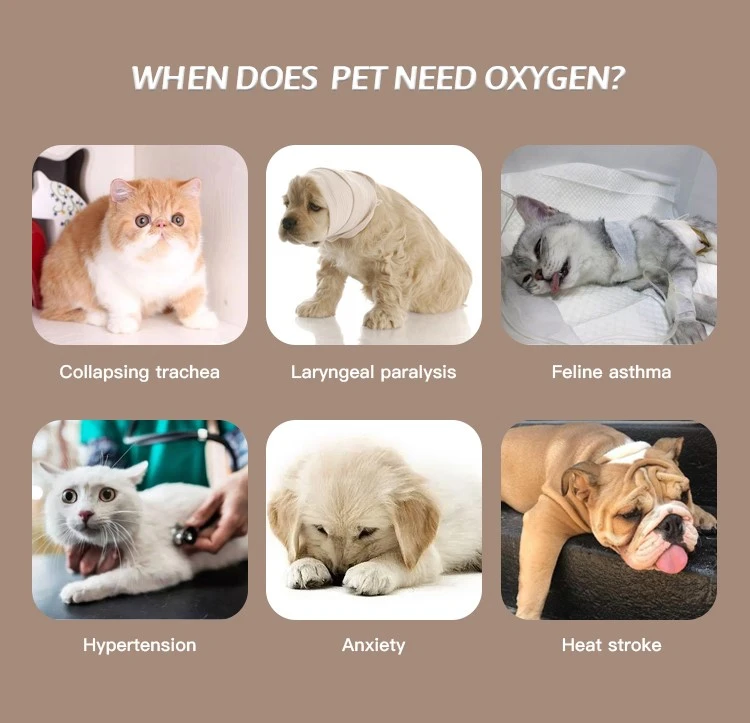
Many pet owners are familiar with human oxygen therapy, but are unaware that dogs and cats can also experience oxygen deficiency. Senior pets with declining cardiopulmonary function, heart attacks, heatstroke shock, choking on milk stress, and those recovering from anesthesia may all experience oxygen deficiency. Timely oxygen administration can help reduce the burden on the heart and lungs, buying valuable time for treatment.
PART.01 In which scenarios can oxygen therapy be considered for pets?
Oxygen therapy is not a daily health supplement for healthy pets. It is a supportive treatment indicated for the following situations:
Senior sick pets: Elderly dogs and cats with impaired cardiopulmonary function, coughing, wheezing or signs of hypoxia;
Emergency cases: Heatstroke and shock, traumatic blood loss, stress-induced asphyxia, milk or food aspiration in young pets;
Post-operative recovery: When respiratory function has not fully returned after anesthesia, oxygen support may be administered as directed by a veterinarian;
Special physiological stages: Pregnant pets with large litters that experience heavy physical strain, with oxygen support only after veterinary assessment.
PART.02 What are the Benefits of Oxygen Therapy for Pets?
✅ Can improve blood oxygen saturation, helping to alleviate wheezing and respiratory distress in hypoxic animals, commonly seen in animals with cardiac or pulmonary abnormalities;
✅ In hypoxic conditions, the compensatory activity of the heart and lungs increases, and standardized oxygen supply helps reduce the compensatory pressure on the heart and lungs;
✅ Can be used as a gas source support during the perioperative period of anesthesia, providing oxygen support during the anesthesia recovery phase;
✅ In emergency situations, oxygen supply can maintain blood oxygen levels, creating conditions for veterinarians to carry out subsequent diagnostic and treatment procedures;
✅ For older animals with reduced cardiopulmonary function, oxygen supply according to the veterinarian's plan helps improve discomfort caused by hypoxia;
⚠️Important Prerequisite: The above benefits are based on veterinary assessment and standardized control of oxygen concentration and duration. Healthy pets do not need oxygen inhalation; blindly administering high-flow oxygen can lead to oxygen toxicity and lung damage.
PART.03 Multiple Oxygen Supply Applications of LONGFIAN Animal Oxygen Generators
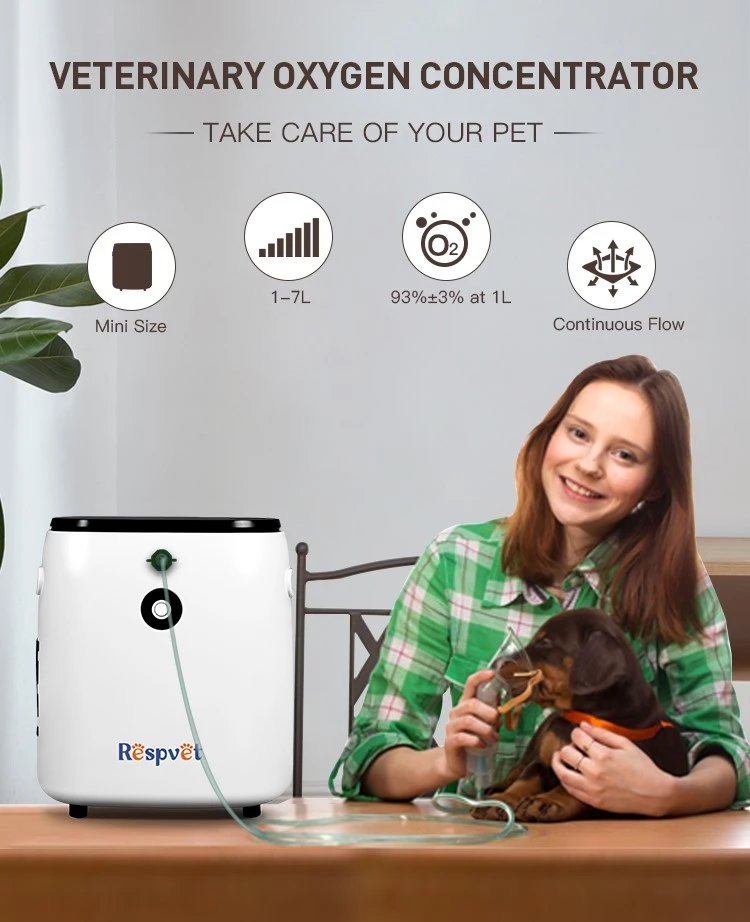
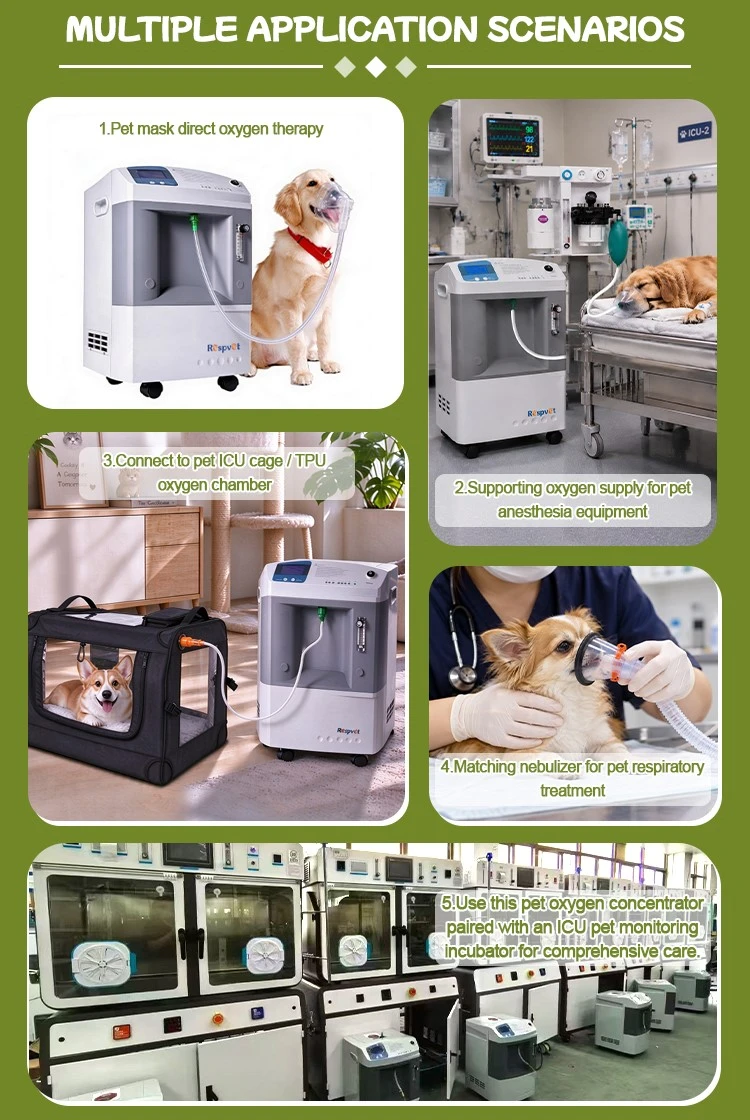
01. Mask Oxygen Supply, suitable for short-term emergency oxygenation
Mostly used for short-term oxygen supply in emergency situations. Because of the significant uncertainties in emergency environments, there are specific requirements for the speed, concentration, and equipment flexibility of oxygen supply.
LONGFIAN offers a variety of animal masks in different sizes to suit pets ranging from small cats to medium to large dogs.
Usage Tips: Mask oxygenation is not recommended for restless or highly stressed pets. When using a mask, ensure a proper fit to minimize the risk of carbon dioxide rebreathing. Accessories should be checked and replaced periodically.
02. Oxygen Chamber/Cage Oxygen Supply: A Common Mode for ICU Recovery
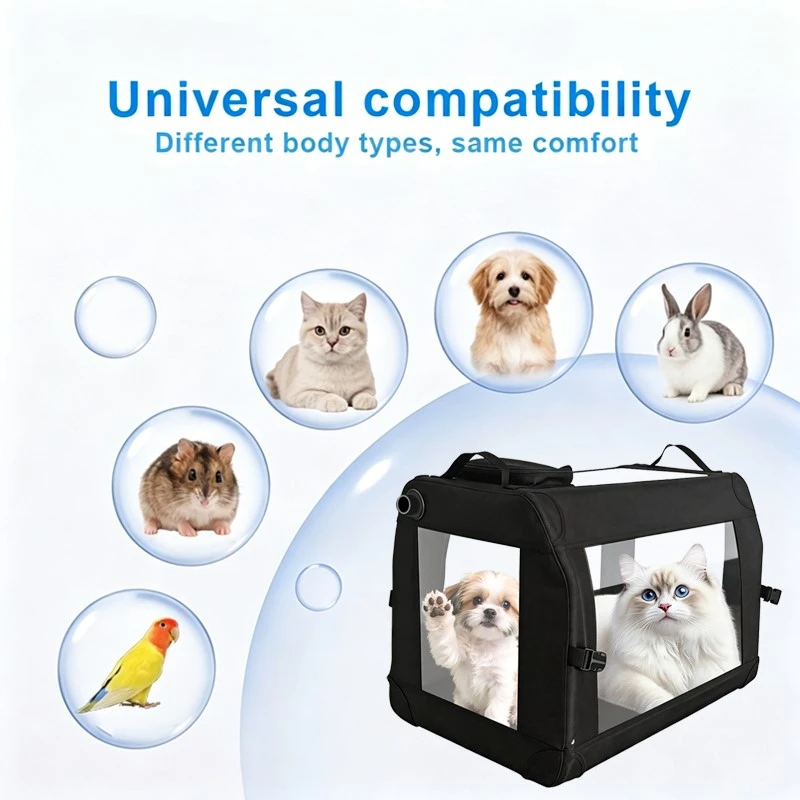
This is a commonly used oxygen supply method in pet hospital ICUs. LONGFIAN animal oxygen generators connect to flexible oxygen chambers, stainless steel ICU chambers, and hospital cages. Flexible oxygen chambers, via venturi connectors, allow for adjustable oxygen concentration ranges while simultaneously expelling carbon dioxide, moisture, and heat. Pets do not need to wear masks, reducing stress and making them suitable for extended recovery periods.
Medium-sized oxygen chamber: Suitable for animals weighing up to 25 lbs; a 5L oxygen concentrator is sufficient. Large-sized oxygen chamber: Suitable for animals weighing up to 70 lbs; a 10L oxygen concentrator is recommended.
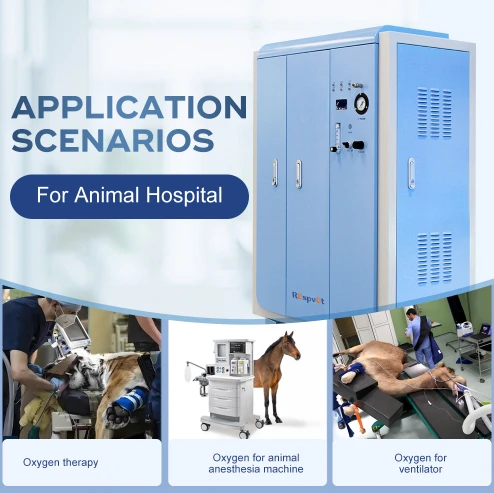
03. Surgical Anesthesia Support Oxygen Supply During animal surgery, anesthesia machines and ventilators require a stable oxygen source.
LONGFIAN pet models can be connected to standard anesthesia and ventilator equipment, providing oxygen during surgery. After surgery, oxygen can be continuously supplied according to the veterinarian's plan to aid in the pet's recovery.
For high-end anesthesia and ventilator equipment requiring high output pressure, LONGFIAN offers high-pressure oxygen concentrators, achieving a stable output of 0.14/0.4 MPa, providing 10L and 20L flow rates, supporting intelligent start/stop, and offering an optional air-oxygen mixing module, compatible with mainstream anesthesia and ventilator equipment on the market.
Compared to cylinder oxygen supply, this eliminates the need for transportation and regular ventilation; the equipment produces oxygen on demand, resulting in higher safety.
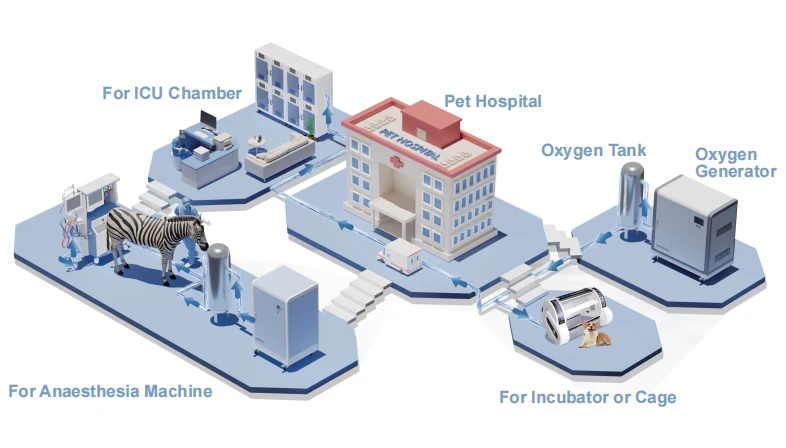
04. Centralized Oxygen Supply System for Pet Hospitals Targeting medium to large-scale chain animal hospitals.
LONGFIAN offers centralized oxygen supply solutions: an oxygen generator paired with an oxygen storage tank delivers oxygen to operating rooms, ICU wards, inpatient cages, and treatment areas via piping.
Oxygen can also be directly accessed via wall-mounted terminals. The system supports simultaneous oxygen supply from operating rooms, multiple ICU wards, and multiple inpatient cages, adapting to the hardware upgrade needs of veterinary hospitals.
The system features intelligent start/stop to ensure stable pressure in the storage tank. A single high-flow-rate oxygen generator can supply multiple treatment rooms and multiple cages simultaneously, making it an essential component for modern veterinary hospital hardware upgrades.
PART.04 LONGFIAN Respvet Animal Oxygen Concentrator Selection Guide
▪ 5L Model: Suitable for small clinics, used for mask emergency care, driving small to medium-sized oxygen chambers, and supporting regular anesthesia machines. The equipment supports long-term continuous operation.
▪ 10L Model: Primarily used in small to medium-sized animal hospitals, capable of simultaneously driving ordinary oxygen cages, large oxygen chambers, and ICU chambers.
▪ 10L/20L High-Pressure Model: Suitable for ventilators with pressure requirements and high-end anesthesia machines.
▪ 20L Centralized Oxygen Supply Model: Used in large animal hospitals, in scenarios involving multiple ICU chambers, multiple anesthesia devices, and multiple cages operating simultaneously.
Home Use Tips: If your pet requires home oxygen therapy, a veterinary assessment is essential first. Do not set high flow rates or administer oxygen for extended periods yourself to avoid the risk of oxygen toxicity.
LONGFIAN Product Basic Description: The product comes with accessories such as masks, soft oxygen chambers, venturi connectors, and tubing, meeting the diverse needs of pet clinics and veterinary hospitals in China. The equipment requires filter replacement according to the instruction manual to ensure stable output.
Our 5 Practical Steps to Use Respvet Oxygen Therapy
We walk through how our customers usually set up oxygen support for pets.
Check the pet first with a vet We never skip this step. If a cat or dog breathes fast, coughs or tires easily, get a vet exam first. The vet decides if oxygen will help, and writes down the target flow, oxygen level and treatment time. We do not let owners start oxygen just because a pet looks uncomfortable.
Pick the right delivery style We match the setup to the pet's mood and condition. We use masks for quick emergency care on calm pets. We use soft oxygen cages or ICU enclosures for long recovery, especially for stressed pets that fight masks. We connect to anesthesia machines for surgery and post-op recovery.
Match the concentrator size to your cage or room We help clinics pick the right unit. A 5L machine works for small cages and routine emergency masks. A 10L unit handles bigger oxygen cages and standard ICU work. Our high-pressure 10L or 20L models connect to ventilators and premium anesthesia tools. For big hospitals, we install 20L central oxygen systems with storage tanks and wall outlets.
Fit and test all parts before you place the pet We check masks for a good seal to stop carbon dioxide buildup. For oxygen cages, we hook up the Venturi fitting to pull out extra heat, moisture and stale air. We test tubing, connections and filters every time before we put a pet inside.
Track the pet and adjust as the vet directs We watch breathing and energy levels closely. If the pet gets more agitated or shows new symptoms, we stop and contact the vet right away. We do not crank up the flow on our own, even if the pet still seems short of breath.
Clear Limits We Always Communicate
We want every customer to know what these machines cannot do.
Oxygen therapy is treatment support, not a wellness product for healthy pets.
Too much oxygen, or oxygen running too long, can cause oxygen toxicity and damage lung tissue.
Stressed, aggressive pets should not use mask oxygen.
Home oxygen is allowed only under ongoing vet supervision. We will not sell a setup for unsupervised home use.
Filters and tubing wear out. You have to change these parts on schedule to keep output clean and steady.
Frequently Asked Questions
Q1: What is the difference between LONGFIAN animal oxygen concentrators and human oxygen concentrators?
A: Based on the molecular sieve medical oxygen generation principle, it is optimized for animal scenarios with noise and vibration reduction to minimize pet stress; the flow rate adjustment is more precise, suitable for small animals; the shell is disinfection resistant and can be used with pet masks, oxygen chambers, and flow distribution kits, suitable for clinic and home pet oxygen therapy.
Q2: Can it be run continuously for 24 hours? Is the oxygen concentration stable?
A: Yes. LONGFIAN animal oxygen concentrators support 24-hour continuous operation with stable oxygen concentration, suitable for continuous oxygen therapy for critically ill pets.
Q3: How do I choose the appropriate flow rate?
A: For cats and small dogs, prioritize low-flow models; for medium and large dogs and critically ill patients, choose 5L or higher; for multi-cage oxygen supply in veterinary clinics, 10L models are recommended, paired with a splitter for multi-channel oxygen supply.
Q4: If I see my pet panting rapidly, can I immediately turn on a high flow rate?
A: No. Blindly using high flow rates carries the risk of oxygen toxicity. Flow rate, duration, and target oxygen concentration should be based on the veterinarian's protocol.
👉 Talk to our team today Tell us your setup: are you a small clinic, a multi-location hospital, or a distributor?
Share what pets you treat and what oxygen gear you need to connect to.
We will send you a tailored recommendation and pricing for Respvet units.