
Pets suffering from acute respiratory distress require timely professional oxygen intervention, with veterinary oxygen tents serving as core auxiliary equipment to create a high-concentration oxygen healing environment for survival. Nonetheless, most companion animals experience intense fear and anxiety when confined to enclosed spaces. Stress responses can elevate a pet's heart rate and oxygen consumption by nearly 30%, worsening their respiratory burden. For this reason, soothing pet tension is equally vital to effective oxygen rehabilitation treatment.
To help pets recover steadily during oxygen therapy, caregivers need to view the treatment environment from an animal's perspective. Panicked pets tend to breathe faster and pant heavily, which further irritates damaged respiratory tissues and aggravates hypoxia. Modern soft-sided pet oxygen cages deliver a far gentler, less intimidating experience than traditional rigid plastic enclosures. The core goal of optimized oxygen-assisted recovery is to lower pets' cortisol stress hormones while maximizing the utilization efficiency of supplemental oxygen.
Environmental stability acts as the core criterion for calming stressed animals. Abrupt fluctuations in light intensity, ambient sound and surrounding movements can trigger instant panic reactions. Adopting standardized professional stabilization techniques enables pets to stay relaxed and stable throughout this life-saving oxygen rehabilitation process.
Veterinary Oxygen Tent-1
Building a Low-Stress Healing Environment Inside Oxygen Enclosures
The structural and visual design of small animal oxygen chambers directly impacts pets' psychological state and recovery progress. Animals rely heavily on visual environmental cues to judge safety. Isolation from their owners due to blocked vision will exacerbate separation anxiety and further deteriorate physical symptoms. Therefore, selecting oxygen therapy equipment with excellent visibility is the key first step to alleviating pet stress.
Selection Criteria for Premium Soft-Sided Pet Oxygen Cages
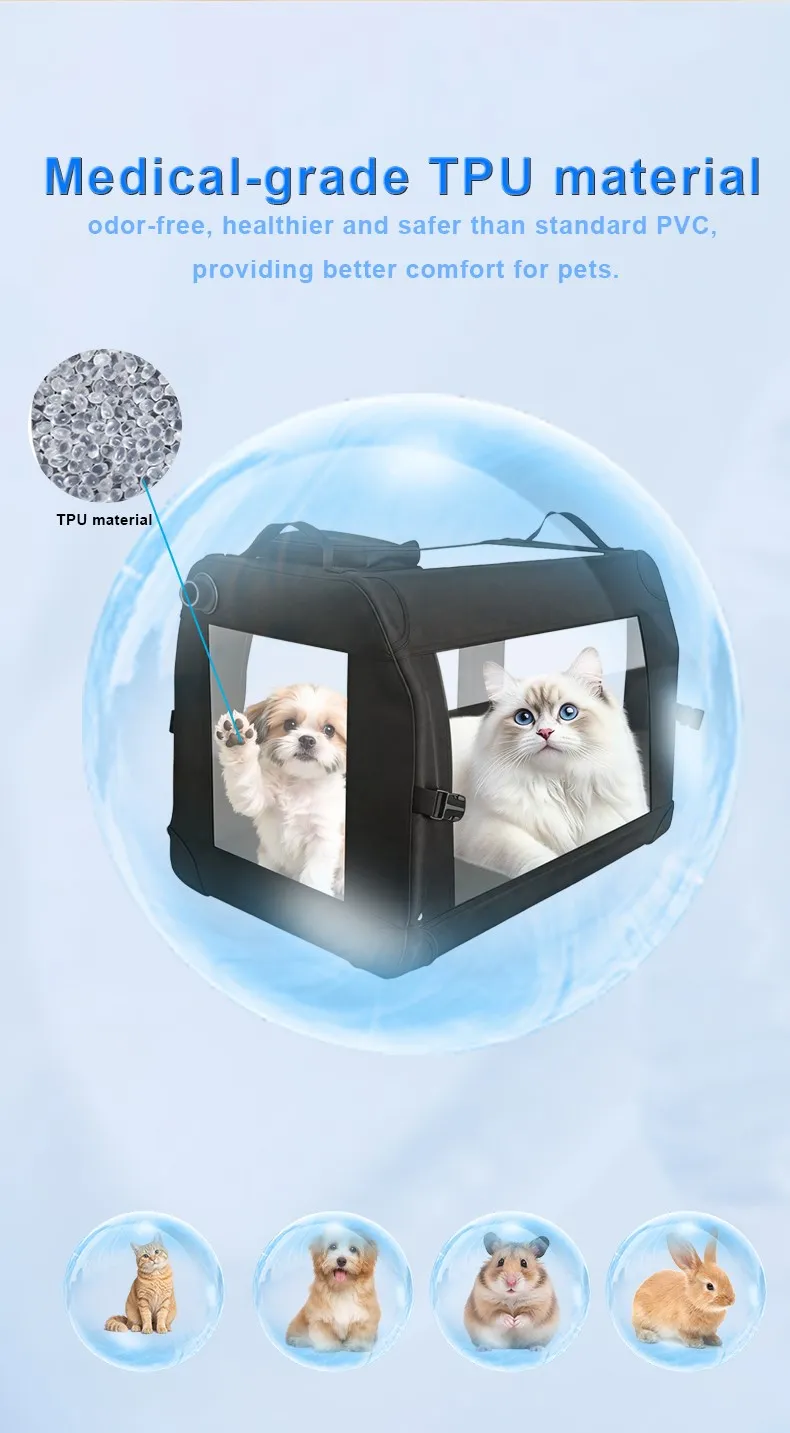
High-quality soft oxygen cages feature multi-sided transparent medical-grade PVC panels. The full-transparent design allows pets to observe their surroundings and maintain visual contact with their owners at all times. This eliminates the sense of confinement and claustrophobia commonly triggered by fully enclosed spaces. The upgraded medical-grade PVC material balances outstanding durability, scratch resistance and high light transmittance, supporting long-term repeated clinical and household use.
Calming Effects of Familiar Bedding and Scent Environment
Placing familiar personal items inside the oxygen chamber delivers powerful emotional comfort for anxious pets. Owners can put in used clothing or pet blankets carrying their scent to build a familiar sense of security. It is important to avoid thick, bulky bedding that blocks internal airflow and causes overheating. Thin, quick-drying, moisture-wicking towels are the most scientific and safe bedding choice to ensure smooth air circulation and constant internal temperature.
Anxiety Control Strategies During Pet Stabilization
Pet stress management runs through the entire oxygen rehabilitation cycle from enclosure entry to stable recovery. Veterinary clinical observations show that gentle, familiar vocal interaction from owners can reduce pets' heart rate by up to 10%. Maintaining a quiet, stable and predictable surrounding atmosphere is essential for emergency respiratory recovery using professional veterinary oxygen cages.
Scientific Placement of Oxygen Chambers for Maximum Stability
Place the pet oxygen tent on a stable waist-height platform such as a solid table or countertop. This height allows pets to see their owners clearly without the intimidating visual perception of being overshadowed. In animal instinct, overhead leaning and staring are regarded as predatory threats that heighten tension. Meanwhile, keep the equipment away from crowded, high-traffic areas to avoid sudden noise and movement stimulation.
Visual and Auditory Soothing Methods for Anxious Pets
Soft low-frequency background music or white noise can effectively mask the continuous operating hum of oxygen concentrators, reducing environmental noise stimulation. Dimming indoor lights creates a warm, nest-like enclosed atmosphere that encourages pets to relax and rest. For highly anxious pets, owners can sit quietly beside the chamber while avoiding direct eye contact, as prolonged staring may intensify their stress response.
Veterinary Oxygen Tent-2
Standard Technical Setup for Safe and Stable Oxygen Rehabilitation
Standardized equipment debugging and environmental management ensure the oxygen tent maintains a professional therapeutic state. Excessively high internal temperatures will prompt pets to pant for heat dissipation. Frequent panting in a high-oxygen environment increases respiratory burden, counteracts rehabilitation effects and indicates physical stress in pets.
Real-Time Monitoring Standards for Emergency Recovery Environments
Professional veterinary oxygen cages for emergency recovery require regular inspection every 15 to 30 minutes. Key monitoring indicators include pet gum color (healthy pink tone) and steady resting respiratory frequency. Stable recovery is marked by slow, regular chest ups and downs. Once symptoms such as continuous scratching at the enclosure wall or whimpering occur, users must immediately check internal ventilation and environmental conditions.
Ventilation and Temperature Regulation Specifications
The optimal internal temperature of small animal oxygen chambers ranges from 68°F to 75°F. Overheating is a major stress trigger for pets with cardiopulmonary diseases and can worsen breathing difficulties. Ensure all reserved vent holes are unobstructed by walls or sundries to guarantee effective carbon dioxide discharge and fresh air circulation. Equipping the chamber with a miniature digital thermometer enables precise real-time temperature tracking and timely adjustment.
Portable Oxygen Chambers: Reducing Transportation Stress
Transporting critically ill pets with respiratory disorders to veterinary clinics often brings severe stress stimulation. Lightweight portable soft oxygen chambers for cats and small dogs solve this problem perfectly, supporting uninterrupted oxygen supply during the entire transportation process and avoiding condition deterioration caused by oxygen interruption.
Core Advantages of Portable Soft Oxygen Chambers for Small Pets
The ultra-light soft-sided structure effectively buffers jolting and vibration during vehicle transportation. The equipment can be firmly fixed with conventional car seat belts to prevent sliding and shaking during travel. Unlike rigid hard-shell cages that produce hard collisions, soft materials provide elastic cushioning, maintaining physical stability and emotional calm for pets during critical emergency transportation.
Pre-Emergency Acclimation and Progressive Adaptation Skills
For pets with chronic respiratory or cardiac diseases, proactive pre-adaptation training is recommended in daily healthy states. Open and power off the soft oxygen cage, allowing pets to freely explore the internal space, and match with low-calorie snacks for positive behavioral guidance. This training helps pets recognize the oxygen chamber as a safe resting area rather than a restrictive trap. Veterinary data shows that pre-acclimated pets exhibit significantly lower respiratory tension and more stable vital signs during formal emergency treatment.

Veterinary Oxygen Tent-3
How to Select a Professional Pet Oxygen Therapy Solution
When choosing oxygen rehabilitation equipment for family or clinic use, material safety and scientific airflow design are the core selection criteria. High-quality veterinary oxygen tents need to balance stable high-concentration oxygen supply and efficient carbon dioxide excretion. Meanwhile, the equipment should feature a quick-assembly structure to achieve rapid deployment within seconds during sudden respiratory emergencies.
Soft-sided pet oxygen chambers represent the optimized design focused on pet comfort and recovery efficiency. The 360° transparent medical-grade PVC structure enables real-time observation of pet mental state and physical changes without opening the enclosure, which avoids oxygen concentration loss and ensures continuous and stable therapeutic effects.
In addition, the high-flow reserved vent holes keep the internal air fresh and prevent heat and stale air accumulation. The equipment is universally compatible with mainstream household and medical oxygen concentrators, greatly simplifying assembly and operation steps. For cat and small dog owners, the soft nest-like structure creates a secure sense of enclosure, helping pets relax quickly and accelerate rehabilitation.
Summary
Stable pet oxygen rehabilitation relies on dual optimization of professional equipment and environmental regulation. Adopting soft-sided pet oxygen cages eliminates claustrophobic stress caused by traditional hard enclosures and builds a safe healing space. Scientific control of internal temperature, ambient noise, visual interaction and surrounding stability can effectively relieve pet anxiety and ensure continuous, efficient oxygen therapy for steady physical recovery.
FAQ
1. Can I touch and comfort my pet inside the oxygen tent?
Frequent opening of the oxygen chamber is not recommended to prevent oxygen concentration attenuation. Most professional oxygen tents are designed with zippered openings or reserved arm access ports for short-term petting and comfort. Gentle, slow stroking effectively relieves anxiety, and operators need to minimize opening time to avoid affecting the internal therapeutic environment.
2. How to judge overheating inside the oxygen tent?
Restlessness, frequent panting and continuous body movement are typical signs of overheating in pets. Users can also monitor temperature changes in real time via a built-in digital thermometer inside the veterinary oxygen cage. When the temperature exceeds 80°F, wrap a small ice pack with clean towels and place it inside for physical cooling to restore a suitable healing temperature.
3. Is a soft oxygen cage less effective than a hard plastic model?
No. High-quality soft oxygen cages made of medical-grade PVC can stably maintain the therapeutic oxygen concentration of 30%–40%, with the same core rehabilitation effect as hard-shell equipment. Its unique advantages lie in lightweight portability, full visibility and low stress induction. As long as the seal is intact and the flow rate is set correctly, the therapeutic performance is completely equivalent.
4. What is the standard oxygen flow rate for pet oxygen chambers?
The applicable flow rate needs to be matched with the equipment size and the pet's specific condition. In conventional household and clinical rehabilitation scenarios, 2 to 5 liters per minute (LPM) is the universal standard flow rate to maintain a stable therapeutic oxygen environment. For targeted conditioning, please follow the personalized parameter settings given by a professional veterinarian.
5. Is overnight stay in an oxygen tent safe for pets?
Long-term overnight oxygen therapy benefits pets with chronic heart failure, recurrent asthma and persistent hypoxia. However, all overnight treatment must be carried out under professional veterinary guidance. Keep the indoor environment quiet and place the oxygen concentrator in a well-ventilated area to avoid equipment overheating and stale air accumulation.
Reference Sources
Emergency and Critical Care Procedures for Small Animals
Guidelines for Oxygen Therapy and Respiratory Support
Comparative Study on Oxygen Therapy Methods in Veterinary Medicine